Planning a Mount Rainier itinerary can be surprisingly difficult. The national park is enormous, attractions are spread across different areas, mountain weather can change quickly, and a route that looks simple on a map may take much longer than expected.
The good news is that you do not need a week to experience Mount Rainier.
With the right plan, you can see waterfalls, old-growth forest, alpine scenery, mountain viewpoints, and some of the park’s most memorable trails in just a few days. Even a one-day Mount Rainier itinerary can be rewarding, although staying for two or three days gives you much more freedom to slow down and adjust your plans around the weather.
For visitors coming from Seattle, Tacoma, Olympia, Portland, or elsewhere in the Pacific Northwest, this guide covers how to plan 1, 2, or 3 days at Mount Rainier, what to see, where to stay, and how to turn a national park visit into a relaxing mountain getaway.
How Many Days Do You Need at Mount Rainier?
For a first visit, two to three days at Mount Rainier is an excellent amount of time.
One day works if you have a limited schedule and want to concentrate on one section of the park. Two days allow you to explore at a more comfortable pace, while three days give you greater flexibility for hiking, changing weather, scenic drives, and downtime.
A simple way to choose is:
- 1 day at Mount Rainier — best for a quick trip focused on the Paradise and Longmire areas;
- 2 days at Mount Rainier — ideal for a weekend getaway with hiking, waterfalls, scenic stops, and an overnight stay;
- 3 days at Mount Rainier — better for travelers who want longer hikes, a slower pace, and more time to experience the surrounding area.
For couples planning a weekend from Seattle, two nights near the park can feel dramatically different from making a rushed day trip.
Best Area of Mount Rainier for First-Time Visitors
Mount Rainier National Park has several distinct areas, and trying to visit all of them in one day is usually not the best strategy.
For many first-time visitors, the southwest side of Mount Rainier makes a convenient starting point.
The Nisqually Entrance provides access toward Longmire and Paradise, two of the park’s best-known areas.
Longmire
Longmire is surrounded by old-growth forest and offers a quieter introduction to Mount Rainier.
It is a natural stop for visitors entering through Nisqually and can be combined with forest walks, historic sites, river scenery, and the drive toward Paradise.
Paradise
Paradise is one of the most recognizable destinations at Mount Rainier.
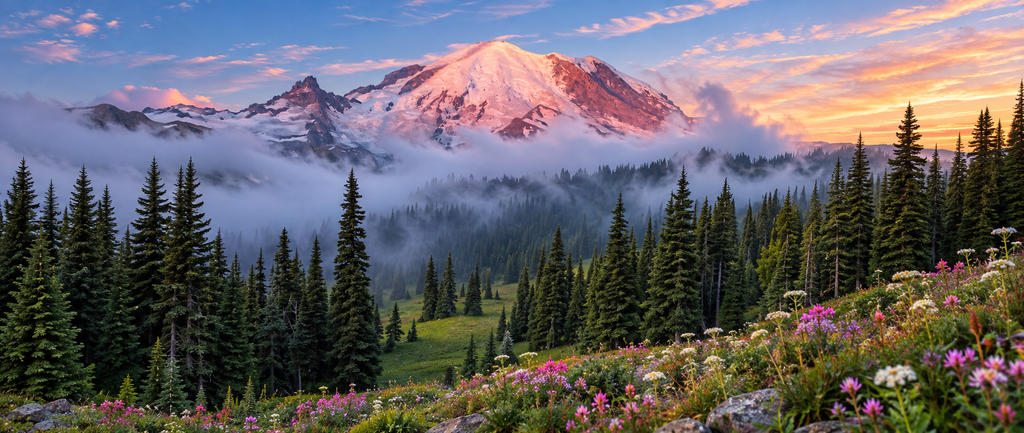
On a clear day, the mountain appears almost impossibly close. The area is known for alpine scenery, hiking trails, wildflowers during their season, fall color later in the year, and snow for much of the colder season.
Because there is so much to see between the Nisqually Entrance and Paradise, this corridor can easily fill an entire day.
1-Day Mount Rainier Itinerary
If you only have one day at Mount Rainier, avoid trying to see the entire national park.
A focused itinerary will give you more time outside the car.
Morning: Enter Through Nisqually
Start early and travel toward Ashford and the Nisqually Entrance.
Once inside the park, make Longmire your first major stop. Stretch your legs, explore the area, and check current conditions before continuing toward Paradise.
Along the way, take advantage of scenic pullouts and waterfall stops when accessible.
Late Morning and Afternoon: Explore Paradise
Continue toward Paradise and spend the central part of the day there.
Your exact plan should depend on weather, trail conditions, season, and fitness level.
Travelers wanting a relaxed visit can explore shorter walks and viewpoints. More experienced hikers may choose a longer route when conditions permit.
Do not feel that you have to complete a major hike to make the trip worthwhile. On a clear day, simply walking around the Paradise area can provide some of the most impressive views in Washington.
Afternoon: Waterfalls and Scenic Stops
On the way back, stop at waterfalls or viewpoints you skipped earlier.
Narada Falls is one of the classic stops along this corridor when accessible.
Rather than rushing from attraction to attraction, leave some flexibility. Clouds can move quickly around the mountain, and a viewpoint that was completely hidden in the morning may be spectacular a few hours later.
Evening: Stay Near Mount Rainier
If possible, do not immediately drive all the way back to Seattle.
Staying near the park turns a long sightseeing day into a genuine mountain getaway and gives you a much more relaxed evening after hiking.
2-Day Mount Rainier Itinerary
For most first-time visitors, a 2-day Mount Rainier itinerary offers a much better balance.
You get enough time to see the major highlights without feeling that every hour needs to be scheduled.
Day 1: Longmire, Paradise and Waterfalls
Enter through the Nisqually Entrance and begin with Longmire.
From there, continue toward Paradise while stopping at scenic points along the way.
Spend several hours exploring the Paradise area. Depending on conditions, choose a hike that matches your experience and available time.
Possible activities include:
- exploring trails around Paradise;
- photographing Mount Rainier;
- visiting waterfalls;
- enjoying alpine or fall scenery depending on season;
- stopping at viewpoints along Paradise Road.
In the afternoon, begin making your way back toward Ashford.
Evening: Make the Cabin Part of the Trip
After several hours on the mountain, an evening with no itinerary can be exactly what you need.
Instead of treating accommodation as simply somewhere to sleep, choose somewhere that adds to the experience.
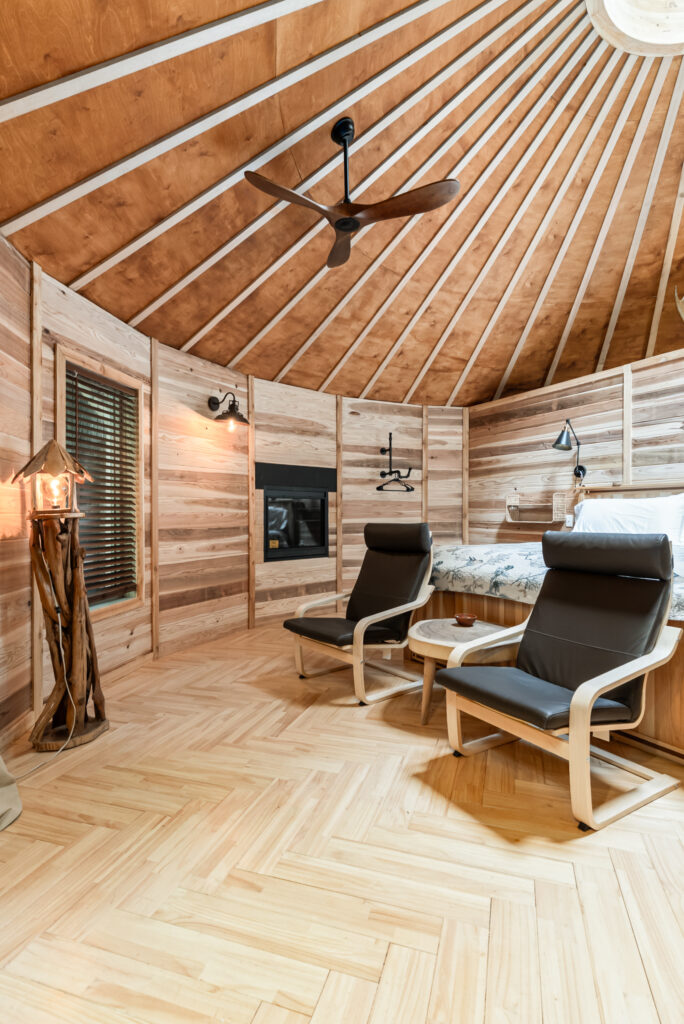
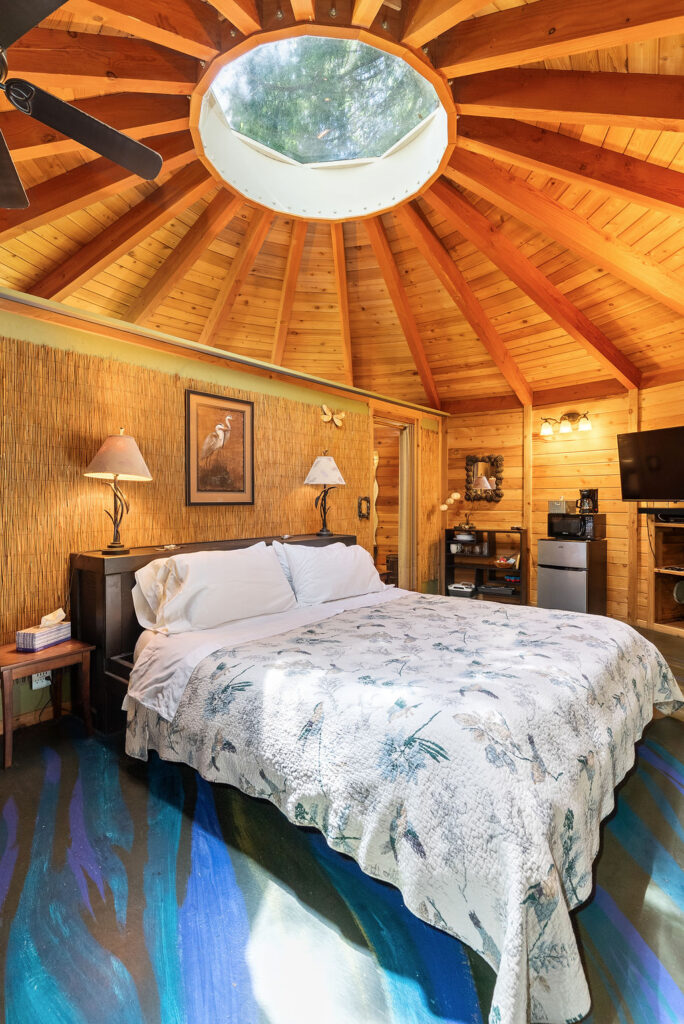
A private hot tub after hiking, a fireplace on a cold evening, and a quiet forest setting can make the overnight portion of your Mount Rainier weekend as memorable as the park itself.
Day 2: A Slower Mount Rainier Morning
The second day gives you options.
If the weather was poor on Day 1, you can return to areas you missed. If you had clear skies, choose another hike, waterfall, or scenic drive.
This flexibility is one of the biggest advantages of spending two days at Mount Rainier.
You can also start the morning slowly rather than waking before sunrise and immediately driving from Seattle.
Have breakfast, check current mountain conditions, and choose the day’s activities accordingly.
Then begin the drive home later in the afternoon.
3-Day Mount Rainier Itinerary
A 3-day Mount Rainier itinerary is ideal if you want the trip to feel like a vacation rather than a sightseeing mission.
The extra day gives you room for a longer hike, bad-weather backup plans, or simply more time to relax.
Day 1: Arrival and Longmire
Drive toward Ashford and enter through Nisqually.
Spend the first day exploring Longmire, old-growth forest, river scenery, and shorter trails.
Keeping Day 1 relatively relaxed is especially useful if you are arriving later in the morning.
Return to your accommodation before evening and settle into the mountain atmosphere.
Day 2: Paradise and Hiking
Make Paradise the centerpiece of your second day.
With an entire day available, you can choose a longer hike when weather and trail conditions permit.
Pack food, water, layers, and appropriate hiking equipment. Start earlier than you would for a short scenic visit and allow extra time for stops.
Afterward, return to your cabin for a quiet evening.
Day 3: Waterfalls, Scenic Stops and a Slow Departure
Use the final morning for places you have not yet explored.
That might mean another short trail, a waterfall, photography, or simply returning to a favorite viewpoint when the light is different.
A three-day trip also allows you to leave space for downtime.
You came to the mountains, after all. You do not need to spend every minute moving.
Mount Rainier Weekend Itinerary From Seattle
Mount Rainier is one of the most natural choices for a weekend trip from Seattle.
Instead of using an entire weekend for flights and airports, you can drive into the mountains and spend most of your time actually enjoying the destination.
A simple Mount Rainier weekend itinerary from Seattle might look like this:
Friday
Leave Seattle after work or earlier in the afternoon.
Drive toward Ashford, check into your cabin, have dinner, and spend the evening relaxing.
Starting the trip Friday instead of Saturday morning means you can wake up near the park and avoid spending the first part of your main sightseeing day on the highway.
Saturday
Spend the full day exploring Mount Rainier.
Enter through Nisqually, stop around Longmire, continue toward Paradise, hike, visit waterfalls, and return to Ashford in the evening.
Then trade hiking boots for a hot tub.
Sunday
Keep Sunday flexible.
Take a short morning trip into the park, enjoy a slow breakfast, explore around Ashford, or simply spend more time at your cabin before returning to Seattle.
For couples, this format works particularly well because the weekend includes both adventure and actual downtime.
Where to Stay for a Mount Rainier Itinerary
Choosing where to stay near Mount Rainier can have a major impact on how much driving you do.
Because Mount Rainier is large, there is no single accommodation area that is equally convenient for every entrance.
If your itinerary focuses on Nisqually, Longmire, and Paradise, Ashford is one of the most practical bases.
Staying close to the Nisqually Entrance makes it easier to reach the southwest side of the park in the morning and return after hiking without a long drive back toward Seattle.
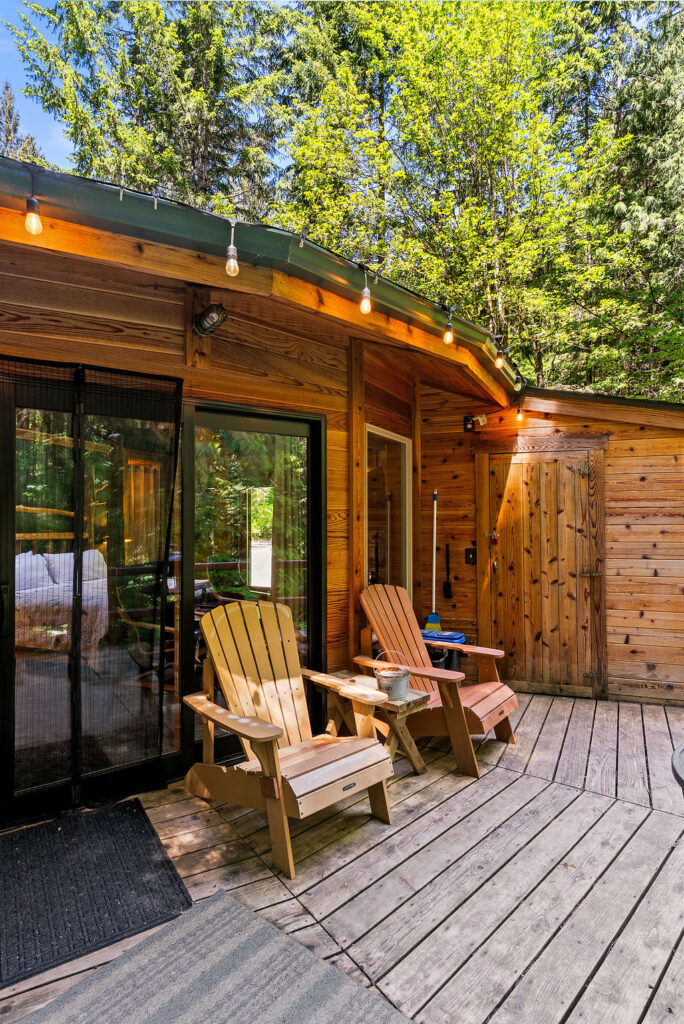
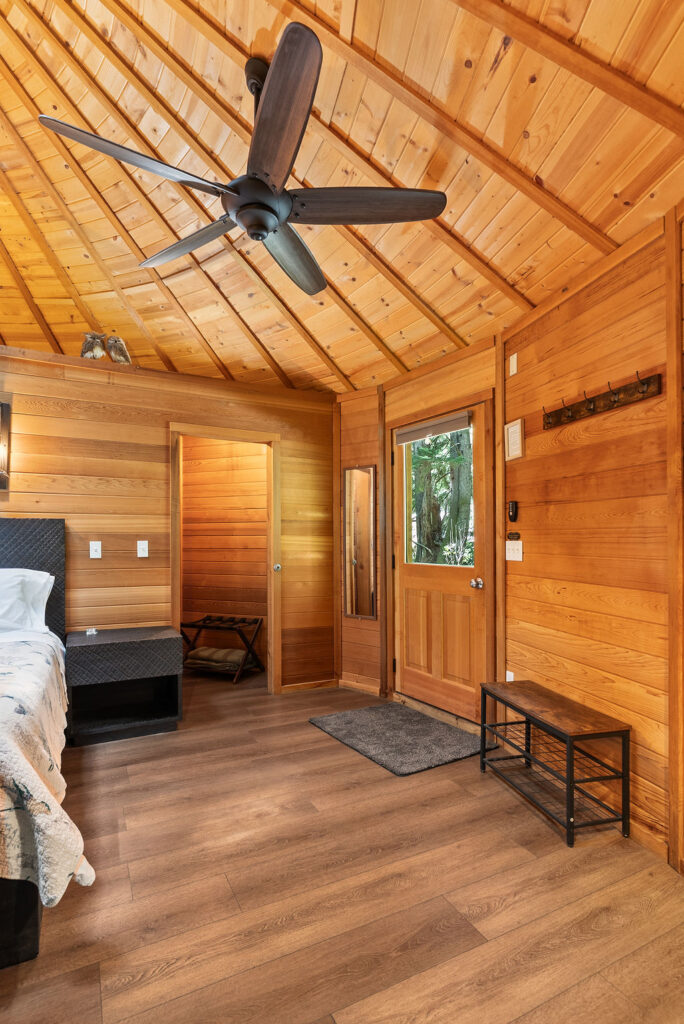
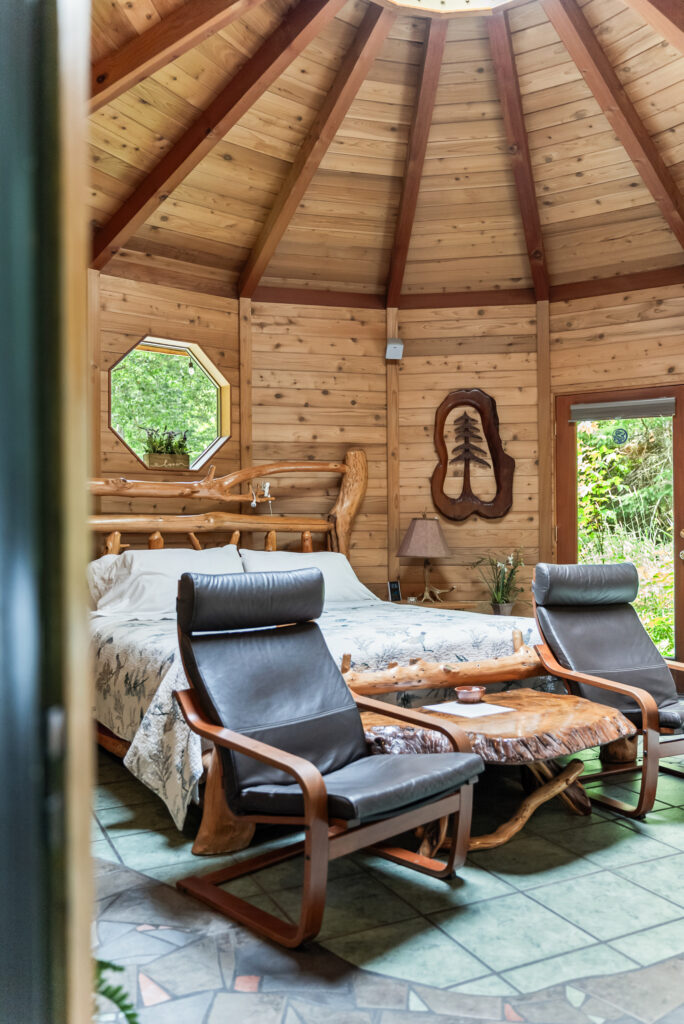
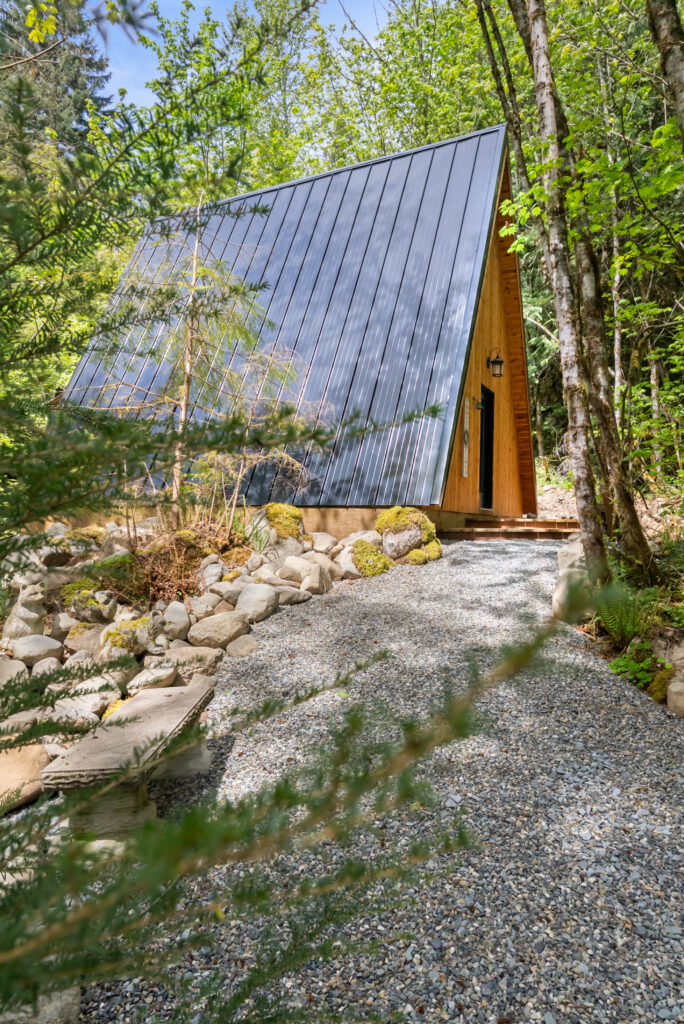
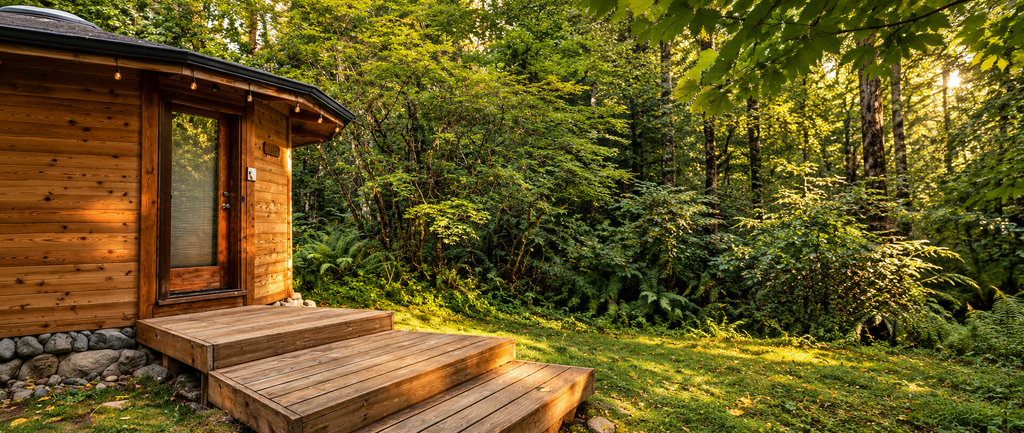
For couples who want their accommodation to feel like part of the vacation, Stormking Cabins & Spa near Mount Rainier offers adults-only forest cabins near the Nisqually Entrance with private hot tubs and fireplaces, creating an easy combination of national park adventure and a quiet mountain retreat.
This is particularly useful for a two- or three-day itinerary, when your evenings become part of the overall experience rather than simply recovery time between drives.

Best Time to Visit Mount Rainier
There is no single best time to visit Mount Rainier for every traveler.
Each season offers a different experience.
Mount Rainier in Summer
Summer is popular for hiking, longer daylight hours, alpine scenery, and generally broader access to higher-elevation areas.
It is also the busiest period, so planning ahead is important.
Mount Rainier in Fall
September and early fall can offer excellent hiking weather along with changing foliage.
As the season progresses, temperatures fall and conditions become more unpredictable, but the combination of fall colors and mountain scenery can be exceptional.
Mount Rainier in Winter
Winter transforms the park.
Snowshoeing and other snow activities replace many traditional summer hikes, and the trip requires more preparation.
For travelers who love snowy landscapes followed by a warm cabin, however, winter can be especially memorable.
Mount Rainier in Spring
Spring at Mount Rainier depends heavily on elevation.
Lower elevations may begin showing signs of spring while higher areas remain deeply snow-covered. Always plan around current rather than expected conditions.
Best Hikes to Add to a Mount Rainier Itinerary
There are enough trails around Mount Rainier to fill many trips.
For a first visit, choose hikes based on your available time, experience, season, and current conditions rather than trying to complete a predetermined checklist.
Popular options around the Paradise and Longmire corridor include routes associated with:
- Skyline Trail;
- Myrtle Falls;
- Nisqually Vista;
- Trail of the Shadows;
- Carter Falls;
- surrounding Paradise viewpoints and connecting trails.
A shorter trail can sometimes be the better choice during a weekend trip because it leaves time for waterfalls, scenic drives, photography, and relaxation.
Mount Rainier Itinerary for Couples
A Mount Rainier couples getaway does not have to revolve around difficult hikes.
One of the advantages of this destination is how easily you can combine outdoor adventure with a romantic weekend.
Try a schedule like this:
Morning: breakfast and drive into the park.
Late morning: short or moderate hike.
Afternoon: waterfall and scenic viewpoints.
Late afternoon: return to your cabin.
Evening: private hot tub, fireplace, dinner, and no driving.
This slower approach can be especially appealing for an anniversary trip, birthday weekend, mini-moon, or spontaneous escape from Seattle.
Mount Rainier Itinerary Without Long Hikes
You can absolutely visit Mount Rainier without spending six hours on a trail.
A Mount Rainier itinerary without hiking — or with only short walks — can include:
- scenic drives;
- Paradise viewpoints;
- Longmire;
- waterfalls;
- photography;
- forest walks;
- picnic stops;
- wildlife viewing from a safe distance;
- visitor areas;
- relaxing at your cabin.
This is also useful when traveling during periods of uncertain weather.
Instead of abandoning the trip because a major hike is not possible, switch to shorter activities and take advantage of clearer weather when it appears.
What to Pack for Mount Rainier
Even during warmer months, mountain conditions can change quickly.
For most trips, consider packing:
- layered clothing;
- waterproof jacket;
- hiking shoes or boots;
- water;
- snacks;
- sun protection;
- offline maps;
- portable charger;
- first-aid basics;
- extra socks;
- warmer clothing than you expect to need.
Always adjust your packing list to the season, planned activities, and current park conditions.
Tips for Your First Trip to Mount Rainier
If this is your first time visiting Mount Rainier, a few simple decisions can make the trip much easier.
Do Not Try to See Everything
Mount Rainier is not a park that needs to be “completed.”
Choose one region and explore it properly.
Check Conditions Before Leaving
Weather, roads, trails, fires, snow, and temporary closures can change travel plans.
Check official park information immediately before your visit rather than relying exclusively on an itinerary written months earlier.
Download Maps Before Entering the Park
Cell service can be limited or unavailable in mountain areas.
Save maps and important information offline.
Fill Up Before Entering
Do not assume you will have access to every service you normally use in a city.
Prepare before entering the park.
Allow More Time Than Google Maps Suggests
Scenic stops, traffic, wildlife, weather, road conditions, and slow mountain driving can all add time.
A flexible schedule is usually more enjoyable than one planned minute by minute.
Day Trip vs. Staying Overnight at Mount Rainier
A Mount Rainier day trip from Seattle is possible, but it creates a very different experience from staying overnight.
With a day trip, you have to fit the drive to the park, sightseeing, hiking, meals, and the drive home into the same day.
Staying nearby gives you:
- an earlier start inside the park;
- less driving during your main activity day;
- flexibility around weather;
- time for longer or additional hikes;
- a relaxed evening;
- another opportunity to see Rainier the following morning.
For a first visit, the difference between one rushed day and a two-night weekend can be significant.
Turn Your Mount Rainier Trip Into a Real Getaway
It is easy to plan Mount Rainier around a list of things to see.
Paradise. Longmire. Waterfalls. Trails. Viewpoints.
But some of the best mountain weekends happen when you deliberately leave space between those things.
Spend the morning hiking and the afternoon watching clouds move across the mountain. Return before dark. Put your phone away. Sit in a hot tub surrounded by forest. Wake up without an alarm and decide what to do based on the weather.
That is the advantage of spending two or three days near Mount Rainier.
You are no longer trying to squeeze the mountain into a day.
You are actually staying there.
FAQ: Planning a Mount Rainier Itinerary
Is one day enough for Mount Rainier?
One day is enough to experience part of Mount Rainier, particularly if you focus on a single area such as the Nisqually–Longmire–Paradise corridor. Two or three days provide considerably more flexibility.
Is 2 days enough for Mount Rainier?
Yes. Two days is an excellent length for a first-time Mount Rainier weekend. You can explore major attractions, hike, see waterfalls, and adjust your plans if the weather changes.
Is 3 days too much for Mount Rainier?
No. Three days allows you to explore at a slower pace and include longer hikes, additional scenic areas, or downtime around your accommodation.
Can you do Mount Rainier as a day trip from Seattle?
Yes, but expect a long day. Staying overnight near the park reduces driving and gives you more time to explore.
Where should first-time visitors stay near Mount Rainier?
For an itinerary focused on Longmire and Paradise, Ashford is a convenient base because it is close to the Nisqually Entrance.
What is the best Mount Rainier entrance from Seattle?
The best entrance depends on which part of the park you plan to visit. For travelers focusing on Longmire and Paradise, the Nisqually Entrance on the southwest side is particularly useful.
Should I stay one or two nights near Mount Rainier?
Two nights work especially well for a weekend itinerary because they provide one full day near the park plus additional time on your arrival and departure days.
What should I do on my first trip to Mount Rainier?
For a first visit, focus on a manageable area rather than trying to see the entire park. Longmire, Paradise, waterfalls, viewpoints, and one suitable hike can create a full itinerary without excessive driving.