Winter changes Mount Rainier completely.
The busy summer trails become snow-covered landscapes, evergreen forests turn quieter, and familiar viewpoints can look completely different beneath fresh snow. On clear days, Mount Rainier rises above the surrounding valleys in brilliant white; on cloudy days, mist, snow, and dark forest create the kind of Pacific Northwest atmosphere that makes you want to slow down and stay awhile.
For travelers coming from Seattle or elsewhere in Washington, Mount Rainier in winter can be an ideal destination for a short mountain escape. Spend the day snowshoeing, walking through old-growth forest, photographing snowy scenery, or exploring accessible parts of the national park. Then return to a warm cabin, relax by the fire, and let the evening become part of the trip.
Whether you are planning a Mount Rainier winter weekend, a romantic getaway for two, or your first snowshoeing trip, this guide covers the best things to do, winter weather, what to pack, where to stay, and how to plan your visit.
Is Mount Rainier Worth Visiting in Winter?
Yes — especially if you want to experience the mountain without trying to recreate a summer itinerary.
A winter trip to Mount Rainier is slower by nature. Snow changes trail access, daylight hours are shorter, and mountain weather determines much more of your schedule.
That can actually make the trip more enjoyable.
Instead of trying to fit several major hikes into one day, you might spend a few hours snowshoeing, explore a forest trail at lower elevation, stop for photographs, and head back to your cabin before dark.
Winter is particularly appealing for travelers looking for:
- snow-covered mountain scenery;
- snowshoeing near Mount Rainier;
- peaceful forest walks;
- winter photography;
- romantic mountain getaways;
- cozy cabin weekends;
- short winter trips from Seattle.
The key is flexibility. Winter conditions around Mount Rainier can change quickly, so the best itinerary is one that leaves room to adjust.
Is Mount Rainier Open in Winter?
Mount Rainier National Park can be visited during winter, although access differs significantly from the warmer months.
Snow, ice, storms, and seasonal operations can affect roads, trails, facilities, and higher-elevation areas.
For visitors approaching from the southwest, the Nisqually Entrance is particularly useful because it provides access toward Longmire and the Paradise corridor when conditions and park operations permit.
Before leaving for the park, check current information about:
- road closures;
- weather conditions;
- snow levels;
- vehicle requirements;
- trail conditions;
- avalanche conditions;
- access to Paradise and other areas;
- seasonal facilities.
Do not assume that a route that was open earlier in the week will still be open when you arrive.
When Is the Best Time to Visit Mount Rainier in Winter?
The best month depends on the type of winter experience you want.
Higher elevations can experience winter conditions for a long part of the year, while lower areas near Ashford may have very different weather.
Mount Rainier in December
Mount Rainier in December is ideal for travelers looking for the beginning of the full winter atmosphere.
Snow becomes a major part of the landscape at higher elevations, days are short, and the colder weather makes cabin stays especially appealing.
December is also a natural choice for:
- Christmas getaways in Washington;
- winter cabin trips;
- couples weekends;
- holiday escapes from Seattle;
- snowy photography trips.
Because storms can affect access, avoid building your December visit around one activity that absolutely has to happen.
Mount Rainier in January
Mount Rainier in January typically feels firmly winter.
For travelers interested in snowshoeing, winter landscapes, and quiet mountain weekends, January can be one of the most atmospheric times to visit.
A simple January trip might consist of a few hours in the snow, a scenic drive when conditions are safe, and a relaxed evening near Ashford.
You do not need a long itinerary for the trip to feel worthwhile.
Mount Rainier in February
Mount Rainier in February remains a strong option for snow activities and winter scenery.
It is also one of the most natural times to plan a romantic winter getaway in Washington, particularly around Valentine’s Day.
A weekend with snowshoeing during the day and a private cabin in the evening creates a very different experience from a traditional hotel stay in the city.
Mount Rainier in March
March may feel like spring around Seattle, but higher elevations at Mount Rainier can still be deeply wintery.
Visitors should continue preparing for snow, freezing temperatures, and winter driving conditions.
This transitional period can be beautiful, but always plan around actual mountain conditions rather than the season on the calendar.
Best Things to Do at Mount Rainier in Winter
There is much more to a winter visit than simply seeing snow.
The best winter activities at Mount Rainier depend on current access, weather, snow conditions, and your level of experience.
Go Snowshoeing at Mount Rainier
Snowshoeing at Mount Rainier is one of the signature winter experiences.
Once deep snow covers the landscape, snowshoes allow visitors to explore terrain that would be difficult or impossible to walk through in regular hiking boots.
Paradise is one of the best-known areas for winter recreation when access is available.
The experience can range from a short beginner-friendly outing to serious backcountry travel.
If this is your first time snowshoeing at Mount Rainier, keep the route conservative. Deep snow requires more energy than ordinary hiking, and winter weather can change quickly.
Bring proper clothing, navigation tools, food, water, and enough equipment to handle colder conditions than you expect.
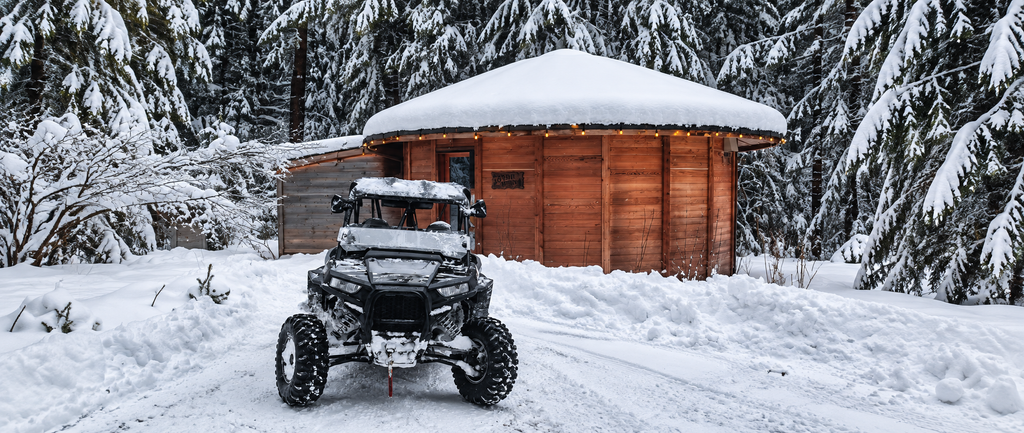
Explore Paradise in Winter
Paradise is spectacular throughout the year, but Paradise at Mount Rainier in winter has an entirely different character.
Snow can cover almost everything around you, leaving broad white slopes framed by dark evergreen forest.
On clear days, the mountain dominates the view. When clouds move in, visibility can disappear quickly.
Winter visitors come to Paradise for snowshoeing, photography, snowy scenery, and simply to experience the mountain under deep snow.
However, access should never be assumed.
Always check current conditions before building your day around Paradise.
Visit Longmire in Winter
Longmire offers a quieter winter experience at a lower elevation.
The surrounding forest can be especially beautiful during wet, snowy, or misty weather, when moss-covered trees and low clouds create a classic Pacific Northwest atmosphere.
It is also a useful stop if conditions farther up the mountain are poor.
Instead of abandoning the entire day because Paradise is inaccessible or covered in clouds, explore lower-elevation areas and let the weather determine your plans.
Take a Winter Forest Walk
Not every Mount Rainier winter activity needs to involve deep snow or a strenuous route.
A short forest walk can be just as memorable.
Winter brings out different details: frost on branches, snow caught in evergreens, mist over rivers, and the sound of water moving through an otherwise quiet landscape.
For couples or visitors who are not experienced winter hikers, shorter walks can be a much more enjoyable way to experience the park.
Photograph Mount Rainier in the Snow
Winter provides some of the most dramatic photography conditions around Mount Rainier.
You may encounter:
- fresh snow;
- fog moving through forest;
- low winter light;
- snow-covered peaks;
- frozen vegetation;
- dramatic cloud breaks;
- soft sunrise and sunset light.
Weather is unpredictable, which is exactly why staying overnight can be useful.
The mountain might remain hidden all afternoon and suddenly appear the next morning.
Enjoy a Scenic Winter Drive
When roads are open and safe, driving through the Mount Rainier area can be an experience in itself.
You do not always need a long hike to enjoy the mountain.
A winter road trip can include accessible viewpoints, forest scenery, photography stops, Longmire, and short walks.
The important part is to let safety determine how far you go.
Snow and ice can change road conditions quickly, so never push farther simply because an attraction appears on your itinerary.
Best Winter Hikes at Mount Rainier
The phrase Mount Rainier winter hikes can be misleading.
A trail that functions as a normal hike in summer may become a snowshoe route in winter. Deep snow can obscure the trail completely, and terrain can become considerably more difficult.
Before choosing a winter route, consider:
- current snow depth;
- weather forecast;
- avalanche risk;
- daylight hours;
- your winter navigation skills;
- your equipment;
- current road access.
Beginners should avoid treating summer hiking guides as winter route instructions.
If conditions are beyond your experience, choose a shorter snow walk or lower-elevation activity.
Snowshoeing Mount Rainier for Beginners
If you have never tried snowshoeing at Mount Rainier, you do not need to begin with a long route.
A shorter trip is often better.
Snow travel is slower and more physically demanding than ordinary walking. A distance that feels easy on a dry summer trail can require much more effort in deep snow.
Beginners should focus on:
- staying within their experience level;
- checking conditions before leaving;
- bringing navigation tools;
- wearing waterproof layers;
- carrying extra food and water;
- turning around before conditions become uncomfortable.
The objective is not to cover the greatest distance.
It is to enjoy the winter landscape safely.
What Is Mount Rainier Weather Like in Winter?
Mount Rainier winter weather varies dramatically with elevation.
Conditions near Ashford can be completely different from those around Paradise.
During the same day, you might encounter rain at lower elevations and heavy snow farther up the mountain.
Winter weather can include: snow, freezing rain, ice, fog, wind, rapidly falling temperatures, poor visibility, and sudden weather changes.
Check forecasts for the specific area you intend to visit rather than relying only on a general forecast for the region.
Driving to Mount Rainier in Winter
Driving to Mount Rainier in winter requires more preparation than a typical summer road trip.
Allow extra time and expect road conditions to change.
Before leaving, make sure you:
- check current road information;
- understand winter traction and chain requirements;
- fill your fuel tank;
- bring appropriate emergency supplies;
- download maps for offline use;
- allow extra driving time;
- avoid relying on cell service.
Even when the highway from Seattle looks clear, conditions closer to the mountain can be very different.
What to Wear at Mount Rainier in Winter
Knowing what to wear at Mount Rainier in winter can make the difference between an enjoyable day and a miserable one.
Layers work best because activity levels and temperatures can change throughout the day.
Consider wearing:
- moisture-managing base layers;
- insulating mid-layers;
- waterproof outer layers;
- waterproof or snow-ready footwear;
- warm socks;
- gloves;
- a winter hat;
- sunglasses or goggles when appropriate.
Bring extra dry layers as well.
After several hours outside, changing into warm clothes before returning to your cabin can feel almost as good as the hot tub waiting for you.
Mount Rainier Winter Packing List
For a typical Mount Rainier winter trip, your packing list may include:
- warm layered clothing;
- waterproof jacket;
- waterproof pants where appropriate;
- winter boots;
- extra socks;
- gloves and spare gloves;
- hat;
- food and snacks;
- plenty of water;
- flashlight or headlamp;
- portable charger;
- offline maps;
- basic first-aid supplies;
- winter recreation equipment appropriate to your route;
- emergency gear.
The exact list should always match the activity you plan to do.
A scenic drive and short forest walk require different preparation from backcountry snowshoeing.
A 2-Day Mount Rainier Winter Itinerary
For most visitors coming from Seattle, two days provides a good balance between outdoor adventure and relaxation.
Day 1: Seattle to Mount Rainier
Leave Seattle early enough to avoid rushing.
Drive toward Ashford, check current conditions, and enter Mount Rainier through the Nisqually side if access allows.
Spend the morning exploring Longmire or another accessible lower-elevation area.
If the road toward Paradise is open and conditions are suitable, continue higher and spend the afternoon snowshoeing, walking through the snow, or taking photographs.
Return toward Ashford before dark.
Then stop planning.
Winter weekends are better when every hour is not scheduled.
Change into dry clothes, have dinner, warm up, and enjoy the quiet forest atmosphere for the rest of the evening.
Day 2: Let the Weather Choose
Start the second day by checking the weather rather than following a rigid itinerary.
If the mountain is clear, return for another outdoor activity or photography.
If higher elevations are inaccessible, explore lower areas or enjoy a slower morning.
This is one of the biggest advantages of staying near Mount Rainier overnight: you get a second chance.
A cloudy Saturday does not have to define the entire trip.
Winter Weekend Getaway From Seattle
Mount Rainier is particularly well suited to a winter weekend getaway from Seattle.
You can leave the city without dealing with flights, airport lines, or a complicated travel day and still feel like you have gone somewhere completely different.
A simple weekend can look like this:
Friday
Drive from Seattle to Ashford.
Check in, settle into your cabin, and enjoy a quiet evening.
Saturday
Spend the day at Mount Rainier.
Snowshoe, explore Longmire, photograph the winter landscape, or simply enjoy the snow depending on current conditions.
Return before evening.
Sunday
Have a slow breakfast.
Check the weather and decide whether to make one more trip toward the park or simply enjoy the forest before returning to Seattle.
It is enough activity to feel like you went somewhere, without turning the weekend into another exhausting schedule.
Romantic Winter Getaway Near Mount Rainier
Winter is one of the best seasons for a couples trip to Mount Rainier because the contrast between the outdoors and your accommodation becomes part of the experience.
Spend a few hours outside in the snow and suddenly the small things matter much more.
Warm clothes.
A fireplace.
Privacy.
No schedule.
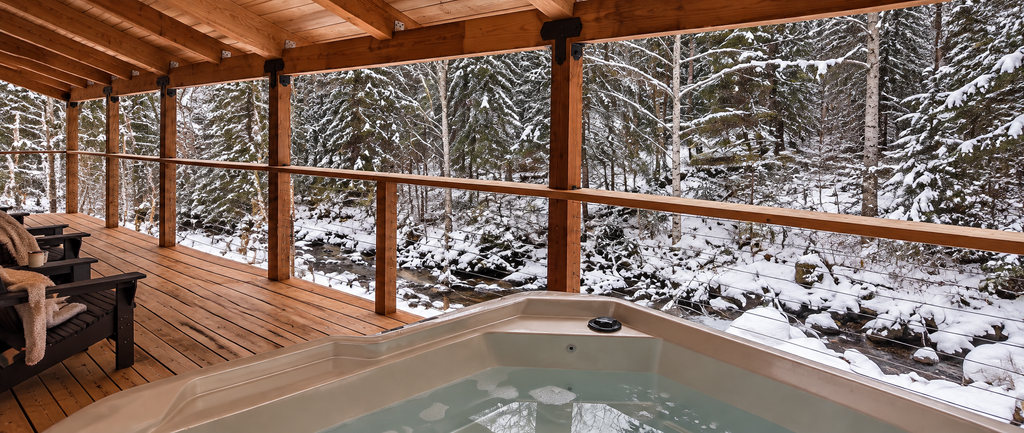
And a hot tub waiting outside.
If you are planning an anniversary, Valentine’s weekend, birthday getaway, or simply a quiet escape for two, staying in romantic cabins near Mount Rainier lets you combine easy access to the Nisqually side of the park with the slower, more private side of a winter mountain trip.
Instead of treating your accommodation as somewhere to sleep between activities, choose a place you will actually look forward to coming back to.
Christmas Getaway Near Mount Rainier
A Christmas getaway in Washington State does not have to mean crowded holiday events.
For some couples, the better option is simply leaving the city.
Drive toward the mountain, spend the afternoon outside, and return to a cabin surrounded by forest.
Weather cannot guarantee a postcard-perfect snowy Christmas at every elevation, so avoid planning your entire holiday around one specific condition.
The atmosphere is often enough.
Cold air, evergreen trees, a fireplace, and nowhere you need to be can make a simple winter weekend feel special.
New Year’s Getaway in Washington
Mount Rainier can also work well for couples looking for a quieter New Year’s getaway near Seattle.
Instead of a crowded party, make the end of the year about the setting.
Spend the day outdoors when conditions allow. Return before dark. Have dinner, relax, and enjoy the evening privately.
For travelers who would rather begin the year surrounded by forest than city traffic, a cabin weekend around Mount Rainier provides an easy alternative.
Valentine’s Day Getaway Near Seattle
February gives couples another reason to head toward the mountain.
A Valentine’s Day getaway in Washington can be as simple as two nights outside the city.
You do not need an elaborate itinerary.
Try snowshoeing or a short winter walk during the day, then return to a private cabin and spend the rest of the evening doing absolutely nothing.
For a romantic trip, that lack of schedule may be the best part.
Can You Visit Mount Rainier in Winter Without Hiking?
Absolutely.
You do not have to be an experienced winter hiker to enjoy the area.
Depending on road and weather conditions, a Mount Rainier winter trip without hiking might include:
- scenic driving;
- photography;
- short forest walks;
- snow play;
- exploring Longmire;
- accessible viewpoints;
- enjoying the winter scenery;
- relaxing at your cabin.
This makes the destination suitable for travelers who enjoy mountains but do not want every vacation to become a physical challenge.
Mount Rainier Winter Day Trip vs. Staying Overnight
A Mount Rainier winter day trip from Seattle is possible, but staying nearby gives you considerably more flexibility.
Winter creates several limitations that do not matter as much during summer:
- shorter daylight hours;
- slower road conditions;
- greater weather uncertainty;
- potential delays;
- changing access to higher elevations.
If you stay overnight, you do not need to squeeze everything into one weather window.
You can explore Saturday, see what conditions look like Sunday morning, and adjust accordingly.
You also avoid finishing a long cold day outside with an immediate drive all the way back to Seattle.
Make Your Mount Rainier Winter Weekend About More Than the Mountain
It is tempting to plan a Mount Rainier trip as a list.
Paradise.
Snowshoeing.
Longmire.
Photos.
A few viewpoints.
Done.
But winter encourages a different type of trip.
Leave some empty space.
Walk through the snow until you are cold.
Stop for a while when you find a good view.
Come back before dark.
Change into dry clothes.
Sit by the fire.
Step into a hot tub while the air around you is freezing.
Wake up the next morning and decide what to do based on what the mountain looks like today.
That is what makes Mount Rainier in winter such a good weekend escape.
The national park gives you the adventure.
The quiet time afterward is what turns it into a vacation.
FAQ About Visiting Mount Rainier in Winter
Can you visit Mount Rainier during winter?
Yes. Mount Rainier National Park can be visited in winter, although roads, facilities, and higher-elevation access may be affected by snow and weather. Always check current conditions before traveling.
Is December a good time to visit Mount Rainier?
December can be an excellent time for winter scenery, snow activities, photography, and cozy mountain getaways. Weather and road conditions can be unpredictable, so keep your plans flexible.
Is January a good time to visit Mount Rainier?
Yes, particularly if you want snow and a full winter experience. January can be a good month for snowshoeing and quiet cabin weekends when conditions allow.
Is February a good time to visit Mount Rainier?
February remains a strong winter month and is especially well suited to romantic getaways, snowshoeing trips, and Valentine’s Day weekends.
Can you snowshoe at Mount Rainier?
Yes. Snowshoeing is one of the most popular winter activities around Mount Rainier. Paradise is particularly well known for winter recreation when access and conditions permit.
Can beginners snowshoe at Mount Rainier?
Yes, but beginners should choose conservative routes that match their experience and check current weather, snow, and avalanche conditions before leaving.
What should I wear to Mount Rainier in winter?
Dress in layers and bring waterproof outerwear, warm insulation, winter footwear, gloves, a hat, and extra dry clothing. Conditions can be much colder at higher elevations than in nearby towns.
Where should I stay near Mount Rainier in winter?
Ashford is a convenient base for visitors planning to use the Nisqually Entrance and explore the Longmire and Paradise side of the park. Staying nearby also reduces the need for a long return drive to Seattle after winter activities.
Is Mount Rainier good for a romantic winter getaway?
Yes. The combination of mountain scenery, snow, forest surroundings, fireplaces, private hot tubs, and cabins makes the area especially suitable for couples during winter.
How many days do you need at Mount Rainier in winter?
Two nights works particularly well for a winter weekend. It gives you more flexibility around changing weather and allows you to combine outdoor activities with time to relax.
Can you visit Mount Rainier in winter without snowshoeing?
Yes. Scenic drives, photography, accessible forest walks, Longmire, winter sightseeing, and relaxing near the park can all be part of the trip. Your options will depend on current road and weather conditions.